
Petrochemical plants operate around the clock, processing valuable raw materials into essential products used across industries. Any unexpected shutdown can result in production losses, delayed deliveries, safety concerns, and significant financial impact. That’s why maintenance and pipeline modifications must often be performed while systems remain in operation.
Hot tapping is one of the safest and most effective methods for carrying out pipeline alterations without interrupting production. It enables operators to create a new branch connection on a live pipeline or vessel while maintaining continuous process flow.
At PTS Group, we provide professional hot tapping services for petrochemical facilities, helping clients perform critical maintenance and expansion work safely, efficiently, and with minimal operational disruption.
What Is Hot Tapping?
Hot tapping, also known as pressure tapping or live tapping, is a specialized engineering process that allows a new connection to be made on an active pipeline, storage tank, or pressure vessel without shutting down the system.
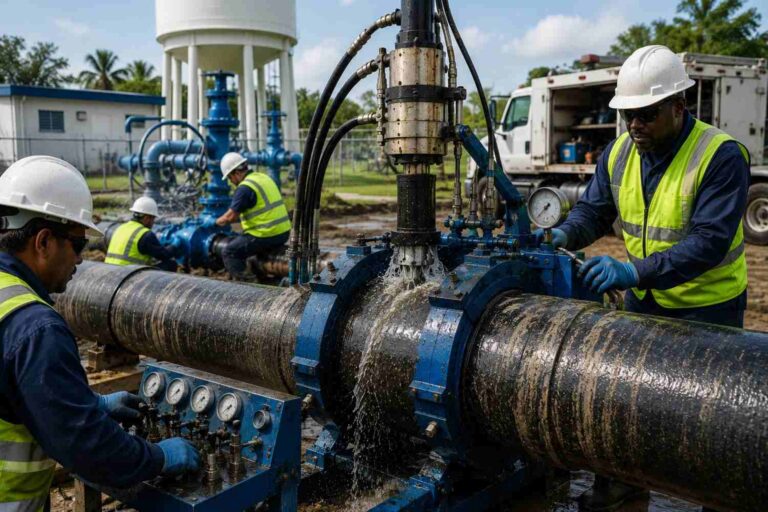
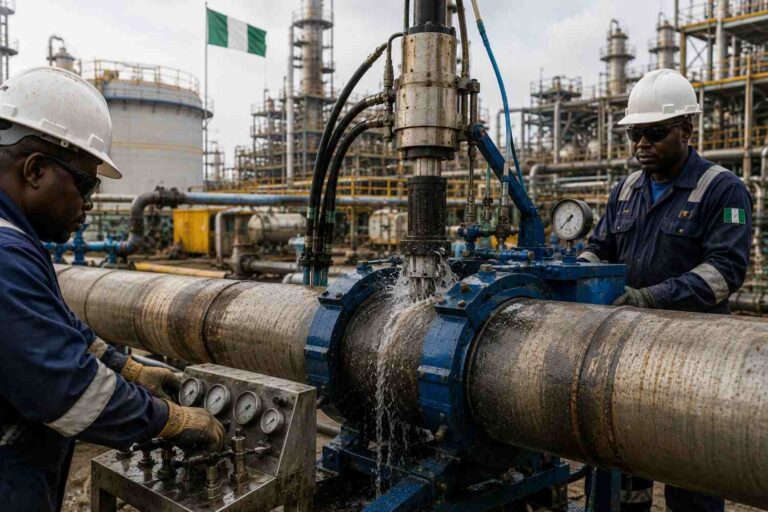
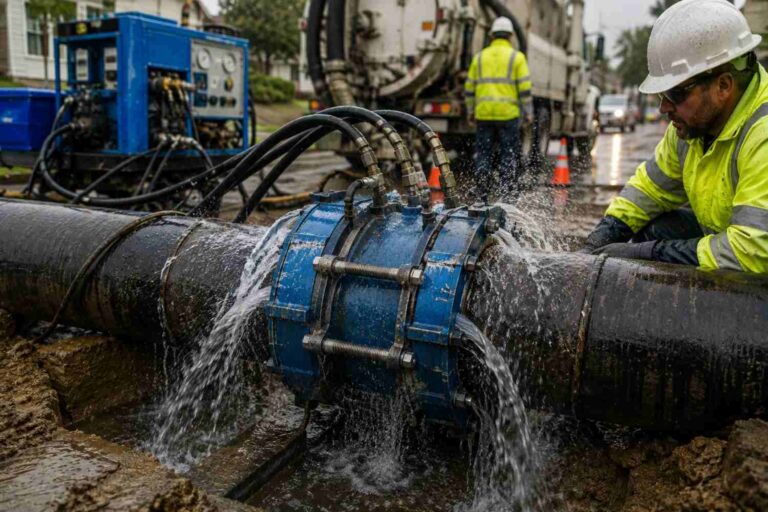
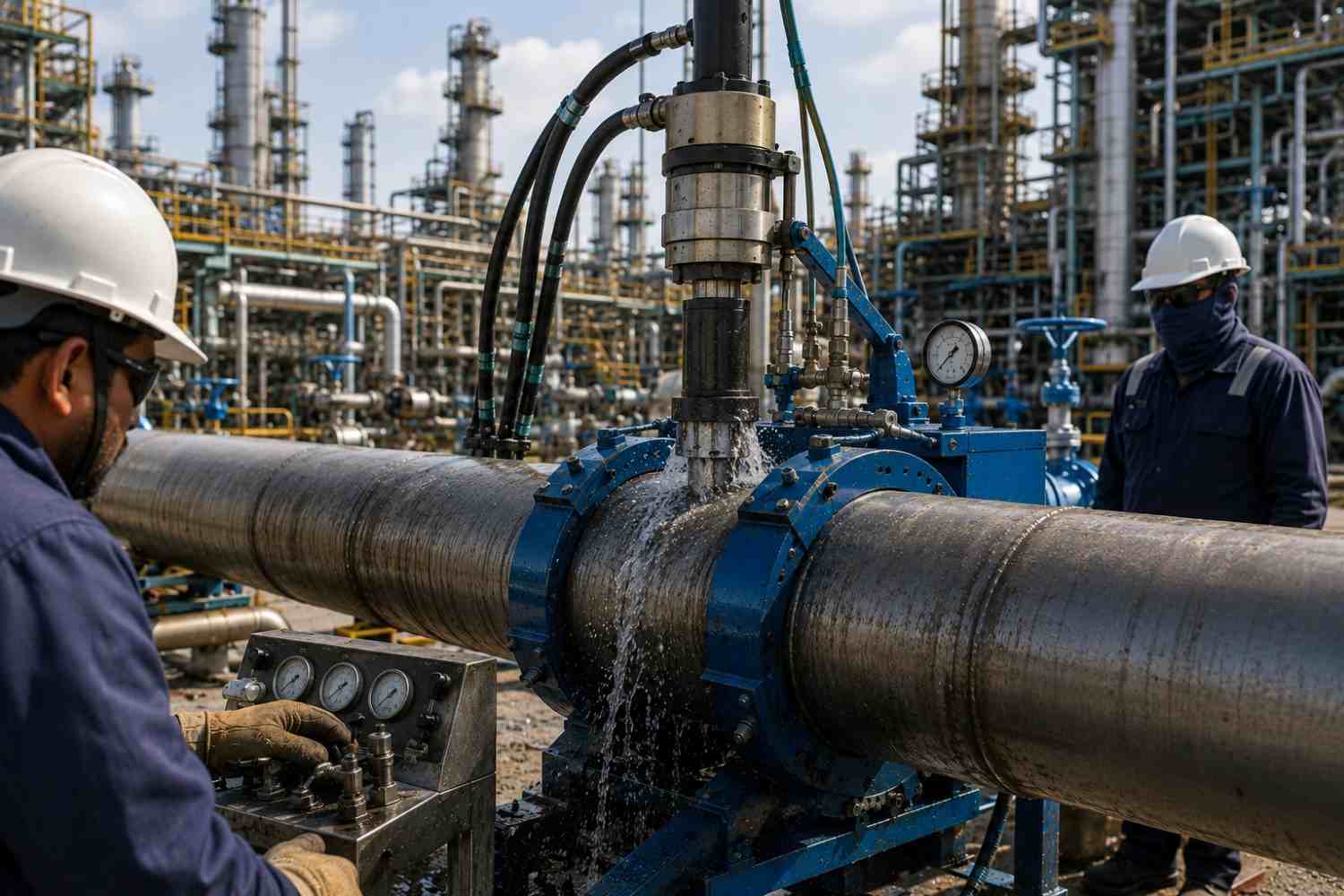
The process involves welding a fitting onto the existing pipeline, installing a valve, and using a hot tapping machine to cut an opening through the pipe wall while the product continues flowing safely inside.
Because the cut section (coupon) is securely retained by the cutting tool, the integrity of the pipeline remains intact throughout the operation.
Why Hot Tapping Is Essential in Petrochemical Plants
Petrochemical facilities depend on uninterrupted production. A complete shutdown often requires:
- Extensive planning
- Product evacuation
- Equipment depressurization
- System cleaning
- Restart procedures
- Production recovery time
These shutdowns can last several days and cost thousands—or even millions—in lost production.
Hot tapping eliminates the need for these interruptions by allowing modifications to be completed safely while operations continue.
Major benefits include:
- Continuous production
- Reduced maintenance costs
- Improved plant availability
- Minimal operational downtime
- Faster project completion
- Increased maintenance flexibility
Applications of Hot Tapping in Petrochemical Facilities
Hot tapping is commonly used throughout petrochemical processing plants for various maintenance and expansion projects.
Typical applications include:
Pipeline Expansion
New process lines can be connected without interrupting existing production.
Instrument Installation
Pressure gauges, temperature sensors, flow meters, and sampling points can be added to operating systems.
Valve Installation
Isolation valves can be installed for future maintenance without shutting down the pipeline.
Process Modifications
Production upgrades often require new branches or bypass lines that can be installed while the plant remains operational.
Utility Connections
Steam, cooling water, nitrogen, compressed air, and utility pipelines can be modified without service interruption.
Emergency Repairs
Hot tapping supports rapid response when new isolation points are required during maintenance activities.
Hot Tapping Process Step by Step
Every hot tapping project follows strict engineering procedures to ensure safety and reliability.
1. Engineering Assessment
Engineers evaluate:
- Pipeline material
- Pipe diameter
- Wall thickness
- Operating pressure
- Temperature
- Product characteristics
- Weldability
Risk assessments and engineering calculations are completed before work begins.
2. Site Preparation
The work area is prepared according to plant safety procedures.
Preparation includes:
- Isolation of work zone
- Gas testing
- Equipment inspection
- Permit approvals
- Safety barricading
3. Welding the Fitting
A specially designed split tee or branch fitting is welded onto the live pipeline using qualified welding procedures.
The weld quality is inspected before proceeding.
4. Valve Installation
A full-port valve is mounted onto the welded fitting.
This valve allows the hot tapping machine to access the pipeline safely.
5. Performing the Hot Tap
The hot tapping machine cuts through the pipe wall while the system remains fully operational.
The cutter removes the pipe section (coupon) and safely retracts it through the valve.
No product leakage occurs during the operation.
6. Completion
Once the cut is completed:
- The machine is removed
- The valve is closed
- The new branch becomes operational
- Final inspections are performed
The pipeline continues operating throughout the entire process.
Safety Considerations for Hot Tapping
Safety is the highest priority during any hot tapping operation.
Professional hot tapping services follow strict international procedures that include:
Detailed Risk Assessment
Every project undergoes hazard identification and engineering review before work begins.
Qualified Personnel
Certified technicians and experienced engineers perform all operations using approved procedures.
Equipment Inspection
Hot tapping machines, fittings, valves, and welding equipment are thoroughly inspected before use.
Welding Quality Control
Qualified welders follow approved welding procedures suitable for the pipeline material.
Pressure Monitoring
Pipeline operating conditions are continuously monitored throughout the operation.
Emergency Preparedness
Contingency plans are established before work begins to manage unexpected situations safely.
Industries That Use Hot Tapping
Hot tapping is widely used across industries requiring continuous process operations.
These include:
- Petrochemical plants
- Oil and gas processing
- Refineries
- Chemical manufacturing
- Fertilizer plants
- Power generation
- Water treatment facilities
- Industrial process plants
Advantages of Professional Hot Tapping Services
Choosing experienced hot tapping specialists offers several long-term benefits.
Reduced Downtime
Operations continue without costly shutdowns.
Lower Operational Costs
Avoiding plant shutdowns significantly reduces maintenance expenses.
Improved Productivity
Production schedules remain uninterrupted during maintenance activities.
Enhanced Safety
Proper engineering procedures reduce operational risks.
Faster Project Execution
Pipeline modifications can often be completed much faster than traditional shutdown methods.
Long-Term Reliability
High-quality equipment and precise execution ensure dependable pipeline performance.
Why Choose PTS Group?
PTS Group delivers specialized hot tapping services designed for complex industrial environments, including petrochemical plants. Our experienced engineers follow internationally recognized procedures and use advanced equipment to complete live pipeline modifications safely and efficiently.
From engineering assessments and welding to execution and final inspection, every project is carried out with a strong focus on safety, quality, and operational continuity. Whether you require a new branch connection, valve installation, or emergency pipeline modification, our team provides reliable solutions that minimize downtime and support uninterrupted plant operations.
Conclusion
Hot tapping has become an essential maintenance solution for modern petrochemical plants, enabling critical pipeline modifications without disrupting production. By eliminating costly shutdowns, improving maintenance flexibility, and maintaining safe operations, it helps facilities achieve greater efficiency and reliability.
Partnering with experienced professionals ensures every hot tapping project is executed with precision, strict safety standards, and dependable results. If your facility requires live pipeline modifications, PTS Group offers the expertise and equipment needed to complete the work safely while keeping your operations running continuously.
Frequently Asked Questions
Is hot tapping safe in petrochemical plants?
Yes. When performed by qualified professionals using approved engineering procedures and certified equipment, hot tapping is a safe and proven method for modifying live pipelines.
Can hot tapping be performed without stopping production?
Yes. The primary advantage of hot tapping is that it allows new connections to be made while the pipeline remains pressurized and operational.
What types of pipelines can be hot tapped?
Hot tapping can be performed on many types of pipelines carrying oil, gas, water, steam, chemicals, and various process fluids, depending on engineering evaluations and operating conditions.
How long does a hot tapping project take?
The duration depends on factors such as pipeline size, operating conditions, site access, and project complexity. Proper planning and experienced execution help ensure efficient completion with minimal disruption.
Why should petrochemical plants choose professional hot tapping services?
Professional service providers use certified equipment, qualified personnel, and strict safety procedures to complete live pipeline modifications safely, efficiently, and in compliance with industry standards.