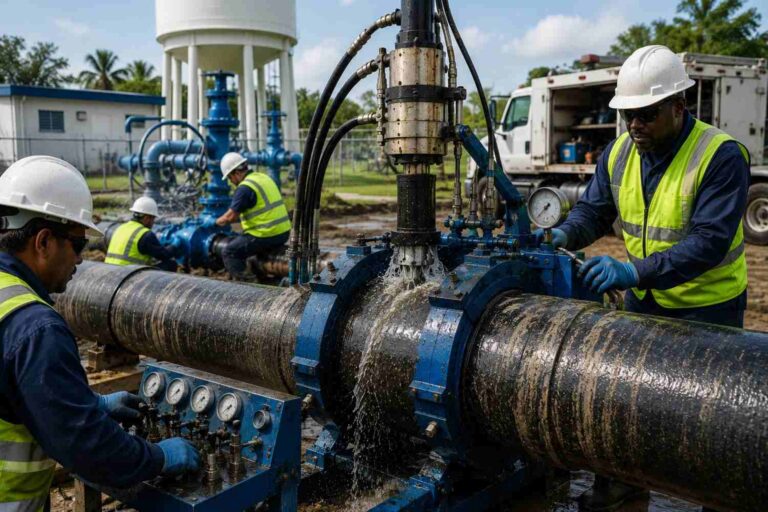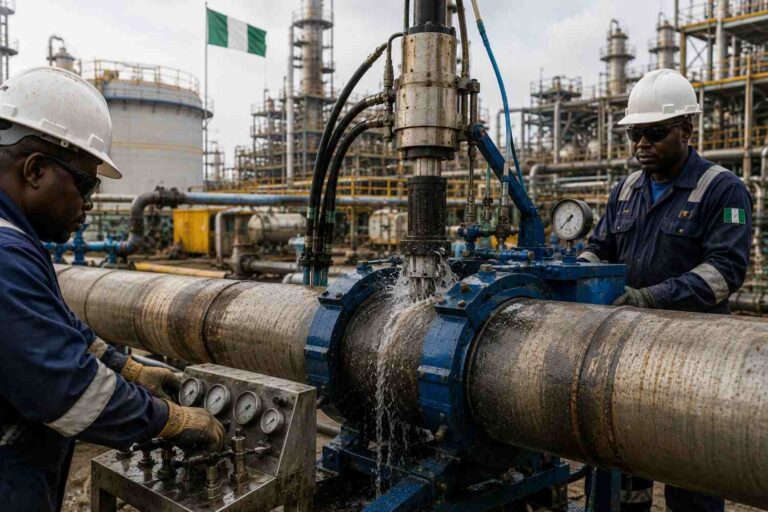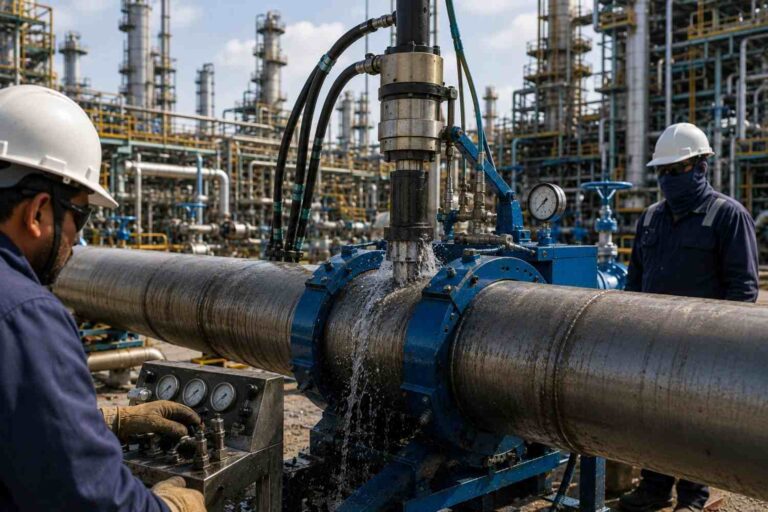

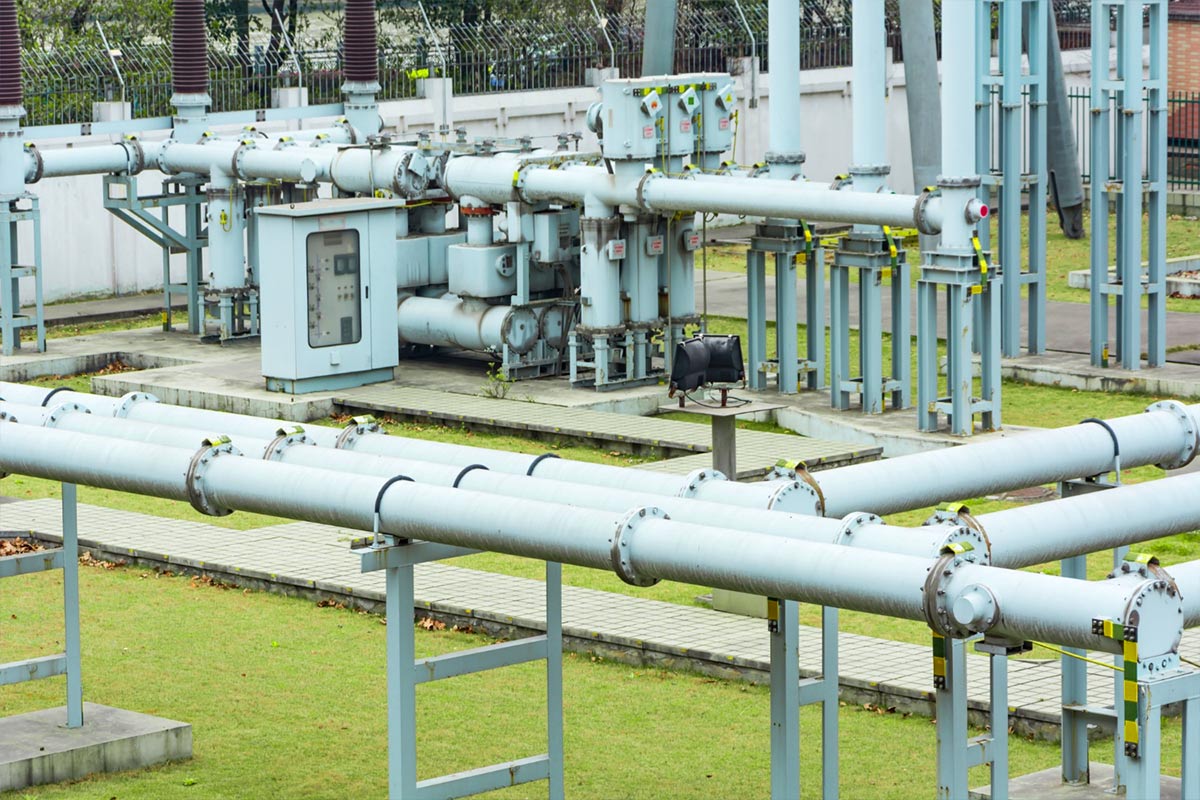
The maintenance of gas pipelines without a hiccup is a massive nightmare in the energy sector. The most used trick is enter hot tapping, also known as live tapping or pressure tapping.
In hot tapping, engineers are able to connect a new branch or modify a running and pressurized line without shutting down, and service is not affected, methane leaks are reduced, and costs are saved.
Read more
What is Hot Tapping?
Hot tapping implies that you can tap into a running, pressurized pipe by:
- Welding or bolting a fitting on the line.
- Installing a valve on that fitting.
- Drilling the pipe wall with a tapping machine.
You take out the part that has been drilled (the coupon), turn on the valve, and you have a new branch, and no interruption of the flow.
Key Benefits of Hot Tapping:
- No service downtime
- No gas venting (reduced product loss, reduced emissions)
- A safe, controlled process
- Cost and time savings
Hot Tapping Process Step-by-Step
The six key steps can be considered in the following simple way:
| Step | Action | Purpose |
| Install Branch Connection | Install a hot-tap (e.g., full-encirclement sleeve) by welding or bolting. | Stiffens the pipe and closes the branch. |
| Install Valve & Pressure-Test | Install a full-bore valve into the fitting and test. | Assures assembly can retain line pressure. |
| Mount Tipping Machine | Connect the drill rig of hot tapping to the valve. | Drives a chamber to be drilled. |
| Drill the Coupon | Open the valve, drill through the pipe wall; the coupon remains in position. | Opens the pipe safely and holds a pressure. |
| Retrieve Coupon & Close Valve | Close the valve, withdraw the drill. | Allows the new branch to remain alien. |
| Tie-In New Connection | Install the line of the branch, purge, and open the valve. | Makes the new section operational. |
Machinery in Hot Tapping
| Equipment | Function |
| Branch Fitting (Sleeve/Tee) | Hard, closed end of the tie-in. |
| Full -Bore Valve | Isolates drilling and the new branch. |
| Tapping Machine | Hydraulic or electric drill with pilot bit, hole saw and coupon catcher. |
| Ancillary Gear | Power units, coolants, grounding clamps, safety barriers, monitors. |
Safety Measures & Standards
The tight safety requirements are necessary when working on a live, pressurized gas line:
- Pre-job Risk Assessment: Verify pipe strength, pressure, and wall thickness.
- Pressure Testing: Test valves and test fittings at 1.5x operating pressure.
- Monitoring & Controls: Look continuously to detect leaks and changes in pressure.
- PPE: Fire-suppressing equipment, anti-sparking tools, flame-resistant clothing.
Standards Compliance:
- API RP 2201 (Safe Hot Tapping Practices)
- API 1104 (Welding)
- ASME B31.8 (Gas Transmission)
Note: Hot tapping must be done by certified crews and with the appropriate equipment.
Industrial Applications
Hot tapping is applicable extensively across gas, oil, chemical, water, and power:
| Industry | Common Applications |
| Natural Gas | Add branch lines, meters, or bypasses without disconnection of customers. |
| Oil & Petrochemical | Connect valves and divert flows in operation. |
| Water and sewer | Install new mains or laterals with inflatable plugs to low-pressure lines. |
| Power & HVAC | Connects to steam or chilled water. |
Innovations in Hot Tapping
Current technology is ensuring it is more secure and smooth:
- Monitoring IoT Sensors monitor pressure, leaks, vibration in real-time.
- Robotics: RC taps reduce human risk.
- Advanced Materials: Weaknesses reinforced with carbon-fiber sleeves.
- Miniaturized and Tandem Taps: Permit taps in high-stress, tight locations.
Advantages & Limitations
Advantages:
- No downtime.
- Zero methane emission-green compliance.
- Big cost savings.
- Four times as much operational flexibility.
Limitations:
- Needs special crews and gear.
- Incompatible with corroded or damaged pipes.
- Pressure, equipment-based size caps, pressure, temperature.
Conclusion
Hot tapping is a major aspect of the current-day pipeline maintenance, which allows you to tie up without having to shut down.
With proper adherence to strict regulations (API, ASME), the appropriate equipment, and a shake of the newest technology, engineers can:
- maintain critical infrastructure,
- Cut methane emissions,
- Deliver reliable service.
In the case of oil & gas, utilities, and process players, hot tapping is not only maintenance, but it is also a win in terms of safety, sustainability, and efficiency.