
Hot tapping and cold tapping are two important techniques used in pipeline maintenance and modification. Both methods are designed to create connections or perform work on pipelines, but they differ significantly in terms of process, application, and operational requirements.
In industries such as oil and gas, petrochemicals, water distribution, and power generation, selecting the correct method is critical to ensure safety, efficiency, and minimal downtime.
Understanding hot tapping vs cold tapping helps operators select the most efficient method for pipeline maintenance and modification.
Understanding Pipeline Intervention Methods
Pipelines transport fluids such as oil, gas, chemicals, and water under high pressure and continuous flow. Any interruption can lead to production losses, operational delays, and increased costs.
Traditional methods require complete shutdown, depressurization, and draining of the system before maintenance can begin. This process is time-consuming and expensive. As a result, advanced techniques like hot tapping and cold tapping are used depending on project requirements.
What is Hot Tapping?
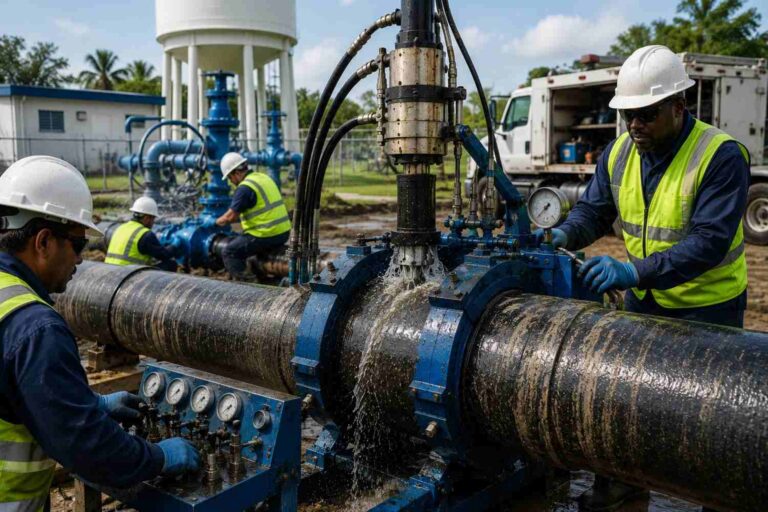
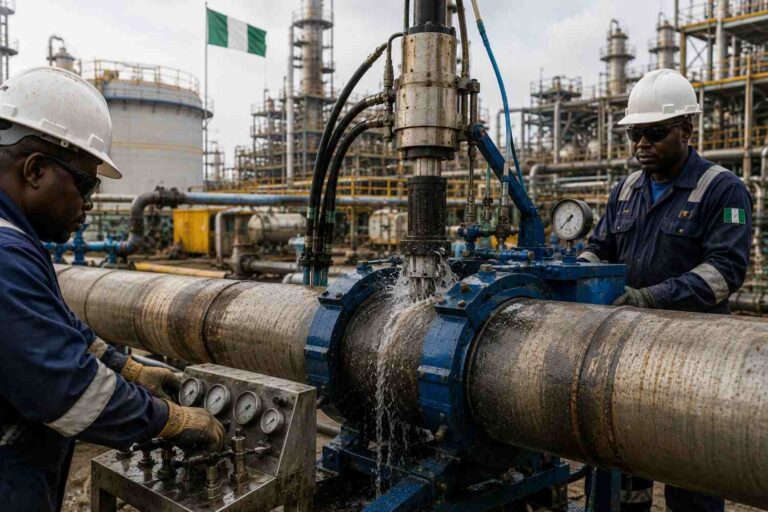
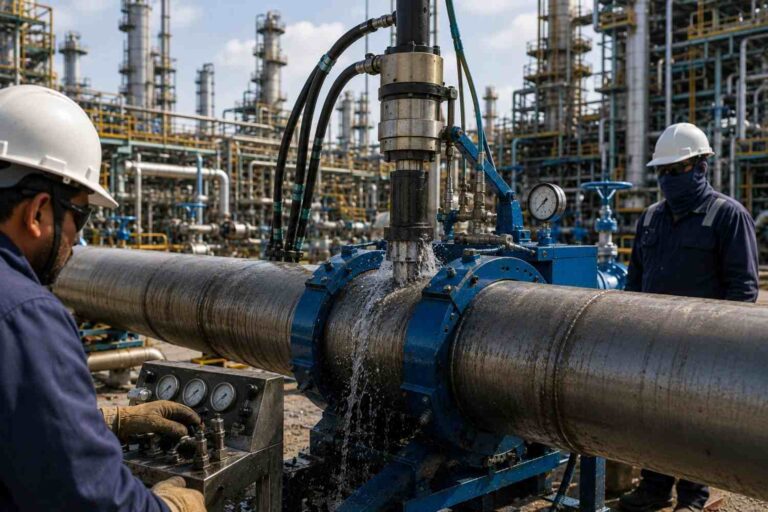
Hot tapping is a method used to create a branch connection on a live, pressurized pipeline without interrupting the flow. It allows modifications, repairs, or expansions to be carried out while the system remains operational.
This technique is widely used in oil and gas, chemical processing, and utility industries where continuous operation is critical.
Our hot tapping services ensure safe and efficient pipeline modifications without shutdown.
How Hot Tapping Works
The hot tapping process involves several steps:
- A fitting (such as a split tee) is attached to the pipeline
- A valve is installed on the fitting
- A hot tapping machine is mounted onto the valve
- The machine drills into the pipeline while it remains in service
- The removed section, known as a coupon, is retained by the machine
This process ensures that pipeline integrity is maintained without shutting down operations.
Advantages of Hot Tapping
- Enables work without shutting down the pipeline
- Reduces production loss and downtime
- Minimizes environmental risks associated with depressurization
- Suitable for a wide range of industries and pipeline sizes
- Cost-effective for continuous operations
What is Cold Tapping?
Cold tapping is a method used to create connections or perform modifications on pipelines after the system has been shut down and depressurized. Unlike hot tapping, this process requires complete isolation of the pipeline before work begins.
It is typically used when safety is a priority or when working conditions do not allow operations on a live system.
Cold Tapping Procedure
The cold tapping procedure is carried out after the pipeline has been completely shut down and depressurized to ensure safe working conditions. It involves preparing the site, marking the exact tapping location, and cutting into the pipeline using appropriate tools.
Once the opening is created, new connections or components such as fittings and valves are installed, followed by thorough inspection and testing to ensure there are no leaks or structural issues. After successful verification, the pipeline is restored and gradually brought back into operation.
How Cold Tapping Works
The cold tapping process includes:
- Shutting down the pipeline
- Depressurizing and draining the system
- Cutting into the pipeline using appropriate tools
- Installing new connections or components
- Restoring the pipeline after work completion
This method eliminates risks associated with working under pressure.
Advantages of Cold Tapping
- Safer due to absence of pressure
- Simpler equipment and setup
- Suitable for sensitive or high-risk environments
- Allows detailed inspection and controlled modifications
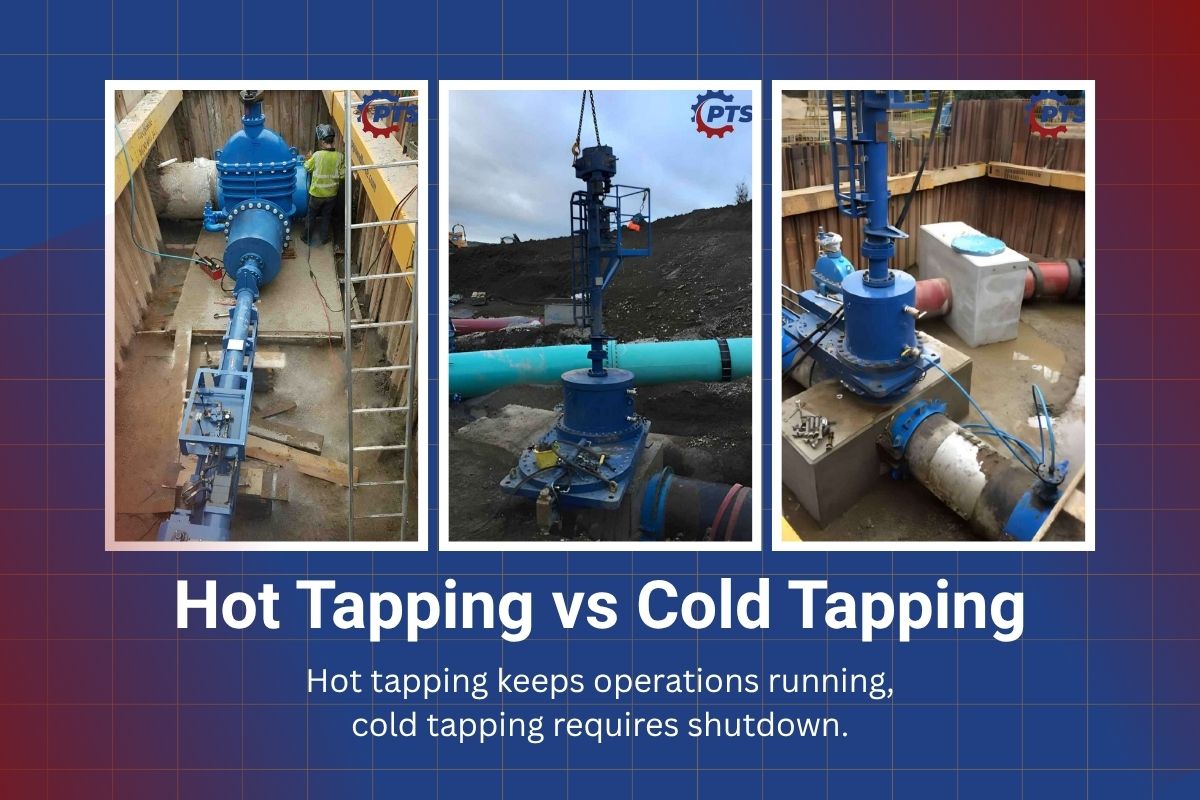
Hot Tapping vs Cold Tapping
Choosing between hot tapping and cold tapping depends on your project requirements. Explore our hot and cold tapping services to determine the best solution for your pipeline.
| Use Case | Hot Tapping | Cold Tapping |
|---|---|---|
| Live pipeline work | Yes | No |
| Shutdown required | No | Yes |
| Cost efficiency | High | Lower |
| Safety (no pressure) | Moderate | High |
| Operational continuity | Maintained | Interrupted |
Hot tapping and cold tapping differ primarily in terms of operational conditions, safety requirements, and system impact. The hot tap method is performed on live pipelines, allowing operators to create new connections without interrupting flow. This makes it highly efficient for systems where downtime is not acceptable.
On the other hand, the cold tap procedure requires complete shutdown and depressurization of the pipeline before work begins. While this increases safety by eliminating pressure-related risks, it also leads to operational downtime and higher overall project costs.
Understanding these differences is essential when selecting the appropriate method for pipeline maintenance or modification.
In contrast, hot tapping allows work on live pipelines, while the cold tap procedure is performed only after complete shutdown.
When to Choose Hot Tapping vs Cold Tapping
Hot tapping and cold tapping are selected based on operational requirements, safety considerations, and project constraints.
Hot tapping is preferred when continuous pipeline operation is required. It is commonly used for adding new connections, modifications, or upgrades without interrupting flow. This makes it highly suitable for industries such as oil and gas, where downtime can lead to significant financial loss.
Cold tapping is chosen when safety is the top priority. It is ideal for projects that require detailed inspection, controlled working conditions, or major repairs.
Selecting the appropriate method depends on factors such as pipeline pressure, fluid type, environmental conditions, and project timelines.
Hot Tap Method vs Cold Tap Procedure
The hot tap method involves installing a fitting and valve onto a live pipeline and using a specialized machine to cut into the pipe without interrupting flow. This method is widely used in industries where maintaining continuous operation is critical.
In contrast, the cold tapping requires the pipeline to be shut down and depressurized before any work is performed. This allows for safer working conditions but results in operational downtime.
Both methods are effective when applied correctly, and the choice depends on system requirements, safety standards, and operational priorities.
Practical Example
In oil and gas operations, the hot tapping is commonly used when a new branch connection needs to be added without interrupting production. This ensures continuous operation and avoids revenue loss.
The cold tapping is typically used during planned shutdowns where safety and controlled working conditions are prioritized over operational continuity.
Applications
Both methods are widely used across multiple industries:
- Oil and gas pipelines
- Water distribution systems
- Chemical processing plants
- Power generation facilities
- Industrial utility systems
Conclusion
Choosing between hot tapping and cold tapping depends on operational requirements, safety considerations, and project constraints. Hot tapping enables work on live pipelines, minimizing downtime and maintaining productivity, while cold tapping provides a safer alternative when shutdown is feasible.
Understanding the differences between these methods allows operators to make informed decisions that improve efficiency, reduce risk, and optimize overall pipeline performance.
For projects that require expert execution, it is important to work with experienced professionals who understand both methods and their applications. Our team provides specialized pipeline solutions, including hot tapping and cold tapping services, tailored to your operational and safety requirements. Explore our services to find the most efficient and reliable approach for your pipeline projects.